
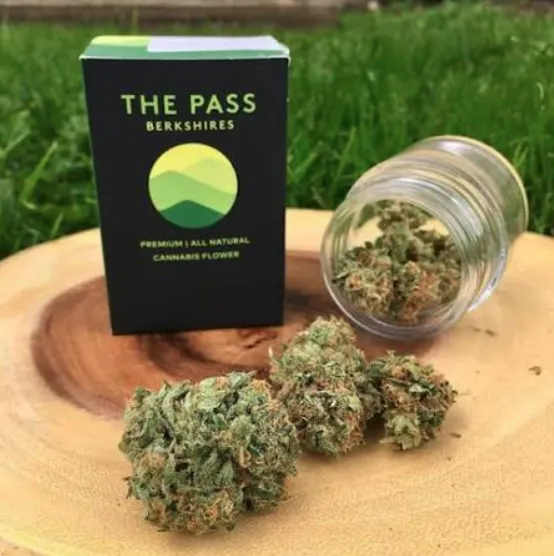

Walk into two different dispensaries and you might have two completely different buying experiences. In one, your flower was weighed, sealed, and labeled weeks ago at a facility you will never see. In the other, a budtender pulls a jar from the shelf, shows you the buds, and packages your order while you watch. That second approach is called deli-style, and the gap between the two says more about quality than most shoppers realize.
What Deli-Style Flower Actually Means
Deli-style service works the way a good deli counter does. Flower arrives at the store in bulk, gets stored in sealed containers under controlled conditions, and is only weighed and packaged when a customer orders it. You can look at the actual buds you are buying, smell the jar in stores that allow it, and ask questions about the specific batch in front of you.
The model demands more from the retailer. Staff need to handle flower correctly, storage has to be managed daily, and inventory moves through the store faster because nothing sits in a sealed bag waiting for a buyer. That extra work is exactly why deli-style tends to correlate with quality: a shop that commits to it has to care about freshness as an operating principle, not a marketing line.
How Prepackaged Flower Works
Prepackaged flower is weighed and sealed at a cultivation or processing facility, often weeks before it reaches the sales floor. The bag or jar you buy is the bag or jar that was filled at the facility, and the packaging date printed on the label tells you exactly how long ago that happened. It is the dominant model in most legal markets because it is cheaper to operate, easier to track, and faster at the register.
None of that makes prepackaged flower bad by default. Well-packaged flower from a good cultivator, sealed with a humidity pack and sold quickly, can be excellent. The problem is that the customer has no way to verify any of it until the seal is broken at home.
The Quality Differences That Matter
Aroma and Terpene Loss
Terpenes, the compounds responsible for aroma and much of the character of a strain, are volatile. They degrade with time, heat, light, and oxygen exposure. Flower sealed in a thin mylar bag and left in a stockroom for two months loses noticeably more aromatic character than flower kept in bulk containers and sold within days. If you have ever opened a bag that smelled like almost nothing, packaging time was probably the reason.
Moisture Content
Flower has a narrow ideal humidity range. Too dry and it burns harsh and fast; too damp and it risks mold. Bulk storage lets a dispensary monitor and correct moisture continuously. A sealed retail bag locks in whatever moisture level existed on packaging day, for better or worse, and cheap packaging can leach moisture out over weeks on the shelf.
Trichome Preservation
Trichomes, the resin glands that carry cannabinoids and terpenes, are fragile. Every time a prepackaged bag is tossed into a bin, shipped, restocked, and flipped over by a browsing customer, trichomes break off and settle as dust at the bottom. Careful deli-style handling, buds moved gently from bulk jar to container at the moment of sale, preserves more of what you are actually paying for.
Inspection Before You Buy
This is the simplest difference and maybe the biggest one. Deli-style lets you see the exact buds you are getting: size, structure, trim quality, color. Prepackaged flower asks you to trust a label and an opaque bag. Any market where customers can inspect the product before paying tends to keep sellers more honest.
The Honest Case for Prepackaged
Prepackaged flower has real advantages worth acknowledging. Nitrogen-sealed containers can preserve freshness well when done properly. Tamper-evident packaging is airtight from facility to home. Checkout is faster, and pricing is consistent to the gram. For a shopper who buys the same eighth of the same strain every week, a well-run prepackaged operation is perfectly fine. The difference shows up at the margins: aroma, smoothness, and consistency across batches, which is where flower quality is actually experienced.
How to Tell Which Model Your Dispensary Uses
Some shops advertise it directly. In Massachusetts, for example, CANA Craft Cannabis operates on a strict never-prepackaged policy across its Norton, Fairhaven, and New Bedford stores, and treats it as the core of how the business runs. If a dispensary does not say either way, two questions settle it: ask when the product was packaged, and ask whether you can see the flower before buying. A deli-style shop will show you. A prepackaged shop will point to a date on a label, and if that date is more than a few weeks old, you have learned something useful.
The Bottom Line
Deli-style is not automatically better flower, but it is a better signal. It tells you the retailer accepted higher operating costs in exchange for fresher product and a transparent sale, and it gives you the chance to judge quality with your own eyes and nose before spending money. If you live near a dispensary that sells deli-style flower, compare the same strain against a prepackaged version side by side. The difference in aroma alone usually ends the debate.
