
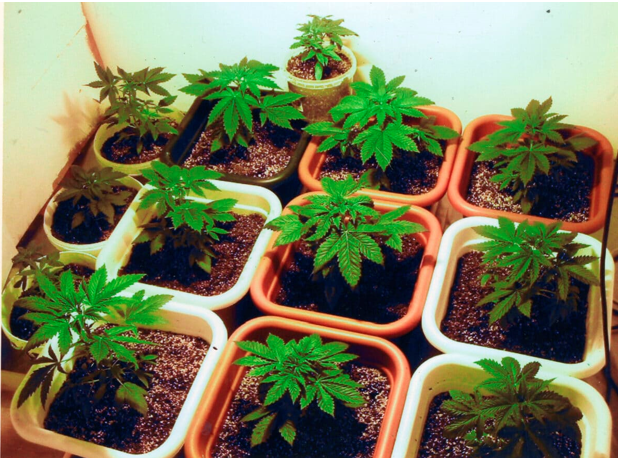

California remains the beating heart of American cannabis cultivation. From the sun-drenched fields of the Emerald Triangle to the licensed indoor facilities of Los Angeles and the Bay Area, California growers have more genetic options than anywhere else in the country. If you’re searching for California clone listings, you’re operating in the deepest, most competitive clone market on the continent, which is both an opportunity and a challenge for growers at every level of experience. Buyers comparing clones for sale in california should verify local rules and seller standards instead of relying on statewide market availability.
Begin with the Exact Jurisdiction: Additional Considerations
Cannabis rules can differ by state, city, county, license type, and property. Buyers should use current official sources instead of assuming that a statewide market makes every transaction or cultivation plan legal. Age limits, plant counts, visibility, medical provisions, transport, and commercial licensing may all require separate review.
Identify the Product Stage
The opportunity is variety. California nurseries maintain expansive mother-plant libraries covering classic strains, modern hybrids, and cutting-edge exotics that don’t reach other markets for months. Whether you want a proven earner like Blue Dream, a boutique hype strain like Zkittlez or Runtz variants, or a workhorse commercial hybrid built for extract-heavy operations, someone in the state is cloning it. Prices are competitive because supply is deep, and legal shipping within California makes fulfillment straightforward for licensed and personal-use growers alike.
Review Genetic Information
The challenge is quality control. Not every operation offering California live-plant listings that residents can trust is testing rigorously. Hop latent viroid (HLVd) has spread through California mother-plant libraries for years, and buying from an untested source risks introducing a yield-crushing pathogen into your grow that spreads through mother stock and takes months to eliminate. Always ask for current HLVd test results, along with screening for powdery mildew, russet mites, fusarium, and pythium, before committing to any clone purchase from a new source. Listings described as clones for sale ca still need clear information about plant stage, genetics, health, pickup, delivery, and reporting policies.
Plan for Local Weather and Transport
A young plant can be stressed by heat, cold, wind, or a long wait in a vehicle. Pickup and delivery should be planned around current conditions, with containers kept upright and foliage protected. Plants should not remain on a porch or in a parked car. A direct trip to a prepared receiving area reduces avoidable exposure.
Compare Plant-Health Standards
Licensing matters too. California’s regulated cannabis market draws a clear line between licensed nurseries selling to commercial cultivators and unlicensed sources operating in gray areas of the market. If you’re a licensed operator, you must buy from a licensed nursery to stay compliant with track-and-trace requirements enforced through METRC. Home growers under the state’s personal-use allowance have more flexibility but still benefit from working with reputable sources that test their genetics and stand behind their plants.
Plan for Local Weather and Transport: Additional Considerations
When evaluating California clone listings, look at more than price. Ask about the nursery’s mother-plant refresh schedule, their IPM protocol, their testing lab partnerships, and their delivery process. A serious operation may answer these questions transparently and often proactively. Vague answers or reluctance to share testing documentation is a red flag no matter how attractive the pricing looks and cheap clones from mystery sources cost far more than premium ones once you factor in lost harvests from contamination.
Prepare a Receiving Area
Clean tools, moderate light, gentle airflow, labels, and enough space for inspection should be ready before the order arrives. New plants can be photographed and observed separately from established ones when practical. This allows the buyer to identify transport damage, pests, or unusual symptoms without immediately exposing the rest of the garden.
Prepare a Receiving Area: Additional Considerations
Delivery windows are typically fast in-state. Many California clone nurseries ship overnight or offer pickup at cultivation facilities, meaning your plants arrive fresh and minimally stressed. Same-day pickup is common in major cultivation hubs like Sacramento, Humboldt, and Los Angeles, where nursery clusters have developed around the licensed cultivation ecosystem.
Acclimate Gradually
One more consideration: strain selection should match your grow environment carefully. California live-plant listings that growers see marketed to indoor operators may not thrive outdoors in Humboldt’s coastal fog. Ask the nursery for guidance on which cultivars perform best in your specific setup. Good nurseries know their strains inside and out and may point you toward the right choice rather than just selling whatever you name first.
Keep Records and Verify Compliance
Saving order details, plant labels, seller correspondence, arrival photographs, and legal references creates an organized record. Commercial operators may have additional inventory or transfer requirements. Personal growers also benefit from written notes because regulations and property arrangements can change over time.
Evaluate Supplier Communication
California’s clone market rewards growers who do their homework. Vet your source, verify testing, choose strains suited to your environment, and you’ll have access to the strongest genetic library in North America right at your fingertips.
Use a Written Checklist
A short written checklist keeps the decision process consistent. It can include legal verification, product stage, expected size, source information, transport timing, arrival photographs, environmental preparation, and the seller’s reporting policy. Written answers are easier to compare than memory, especially when several suppliers or products are being considered. The same checklist can be reused during receiving so that important details are not missed when the plant arrives.
Review the Plan After Arrival
The purchase should be reviewed after the first transition period. Buyers can compare the listing with the plant received, note how communication and fulfillment were handled, and record any adjustment problems. This review creates useful evidence for a future order and helps separate supplier-related concerns from conditions that developed later in the new environment. A simple record is especially valuable when several varieties or delivery dates are involved.
Final Thoughts
Location-based purchasing requires more than a search result. Buyers need current legal information, a suitable plant, careful transport, a prepared receiving area, and clear seller policies. Local climate and property rules can influence the plan as much as the strain name. A consistent checklist helps customers compare sources responsibly and reduce preventable problems after arrival.
